

New York Heat Pump Savings: EmPower+ and NYS Clean Heat
Count Profit Editorial · 2026-10-14 · 3 min read
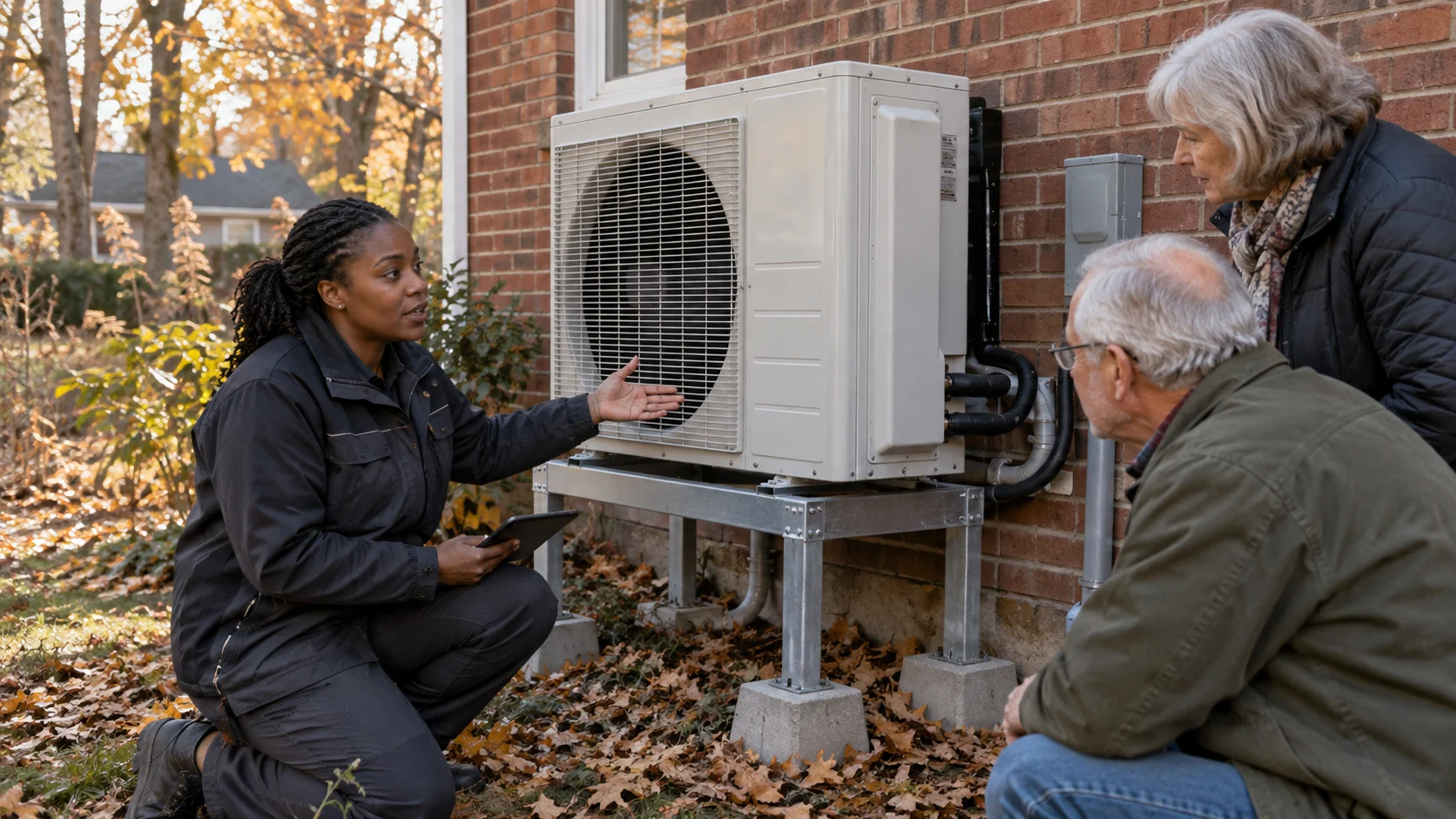
New York homeowners can explore income-based support and utility heat-pump incentives. Here is how to organize an application and compare the cost of a cold-climate retrofit.
Two useful starting points
Program information checked October 14, 2026. NYSERDA’s EmPower+ offers eligible households a home energy assessment and support for improvements including heat pumps, insulation, air sealing and electrical upgrades. NYS Clean Heat is another starting point for utility-supported heat-pump incentives. The right route depends on your household, building and utility territory. Start with the official program pages rather than assuming a statewide dollar amount applies to every address.
Why the home assessment matters
A cold-climate heat pump works best when the design accounts for the house as well as the equipment. Ask the assessor where insulation, air leakage and duct losses affect comfort. A project that reduces the heating load may need a different equipment size from a simple replacement. Ask for the proposed work sequence in writing and make sure the rebate application describes that same sequence.
Ask the contractor to separate the numbers
Request an itemized quote showing equipment, labor, electrical work, duct modifications, permits and any insulation measures. Then ask for a separate list of proposed incentives and the rules supporting each one. Confirm whether the contractor participates in the relevant program, who submits the paperwork, and whether approval is required before work begins. Never treat a rebate mentioned in an advertisement as a guaranteed reduction in your invoice.
Compare winter running costs before converting
Gather a full year of electric and heating-fuel bills. Ask for an estimate using local electricity rates, the existing fuel, expected heat-pump performance and backup operation. The lowest installation price is not always the lowest total cost. For a natural-gas conversion, ask specifically how winter costs are being evaluated. Keep approval notices, the final invoice, equipment identifiers and installation documentation together so the project can be reviewed without reconstructing it later.